A Diamon-Fusion glass restoration service addresses a problem familiar to many coastal Southern California properties: glass that is structurally sound but no longer looks worthy of the architecture around it. Hard-water spotting on a frameless shower enclosure, haze on an ocean-view railing, corrosion around a skylight, or mineral buildup on solar panels can make premium glass appear prematurely worn. Replacement is sometimes necessary. Often, however, restoration followed by a professionally applied protective coating is the more considered investment.
When Glass Needs Restoration Rather Than Routine Cleaning
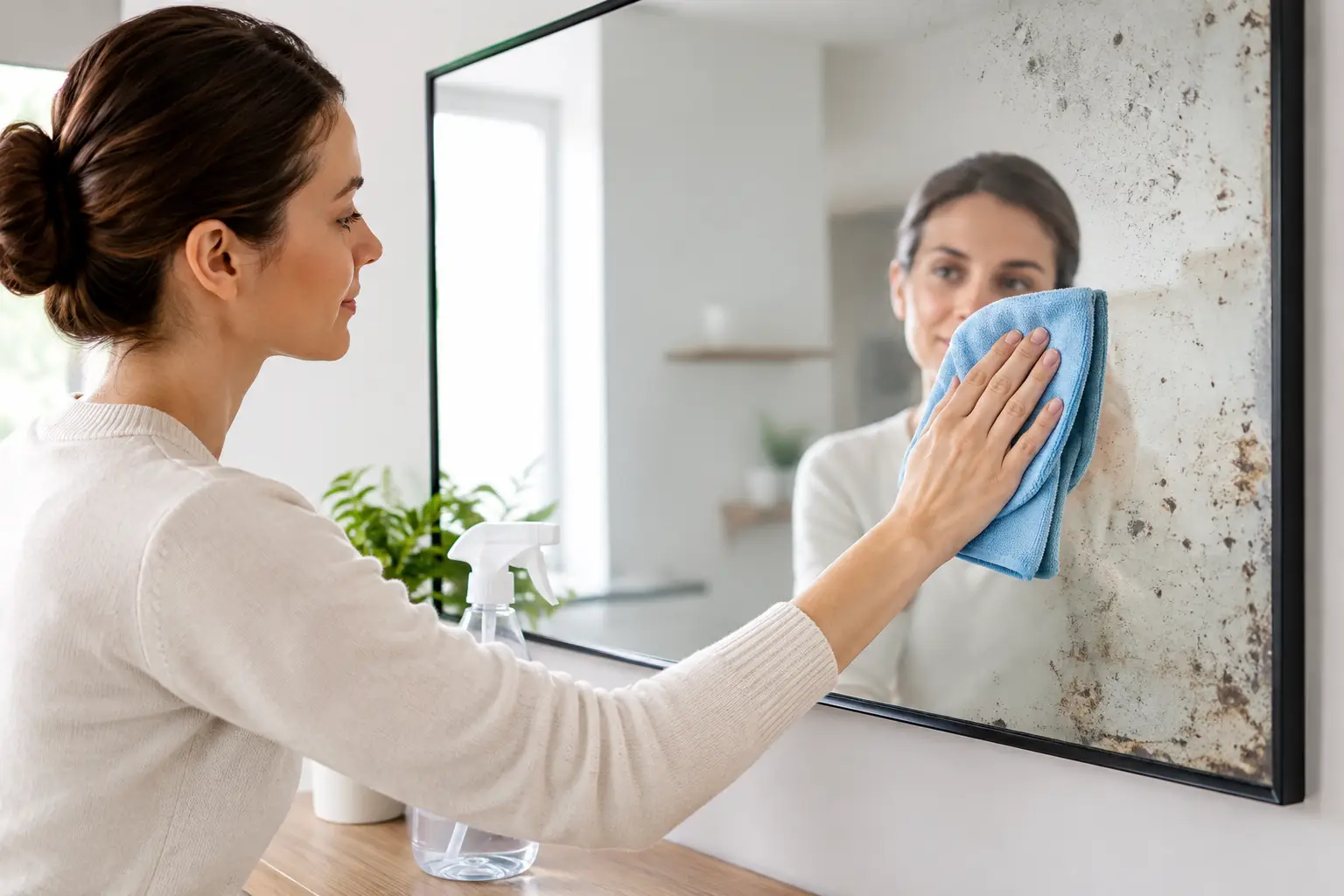
Ordinary cleaning removes surface residue. It cannot repair damage that has begun to alter the glass itself. Minerals in water dry onto the surface, particularly on shower glass, pool fencing, and exterior glazing exposed to irrigation overspray. Over time, those deposits can bond to the glass and create a dull, cloudy appearance. In coastal settings, salt air and airborne contaminants add another source of surface deterioration.
The distinction matters because aggressive cleaning can make the problem worse. Abrasive pads, harsh acids, and improvised polishing compounds may temporarily change the appearance while leaving fine scratches, uneven sheen, or damaged hardware finishes. Architectural glass deserves a method selected for its condition, location, and surrounding materials.
A professional assessment begins with the practical question: is the issue buildup, surface staining, etching, corrosion, scratching, or a combination of these? Buildup may be removable. Early-stage etching can often be improved substantially. Deep physical damage, failed insulated-glass seals, cracks, or extensive coating failure may require replacement. The purpose of restoration is not to make an unrealistic promise. It is to determine whether existing glass can be returned to a level appropriate for the property before the expense and disruption of new fabrication are considered.
What a Diamon-Fusion Glass Restoration Service Does
Diamon-Fusion is a protective treatment engineered to bond with glass at the molecular level. When applied after proper surface preparation and restoration, it creates a protective barrier designed to make the glass more resistant to staining, mineral deposits, and corrosion. The result is glass that is easier to maintain and better equipped for demanding environments.
The service is especially valuable when a glass surface has become difficult to keep clean. A homeowner may find that shower doors look spotted again shortly after cleaning, even with careful housekeeping. A hospitality operator may be managing repeated complaints about exterior railings or lobby glazing that never appears fully clear. In these cases, the issue is not always the cleaning schedule. It may be the condition of the unprotected surface.
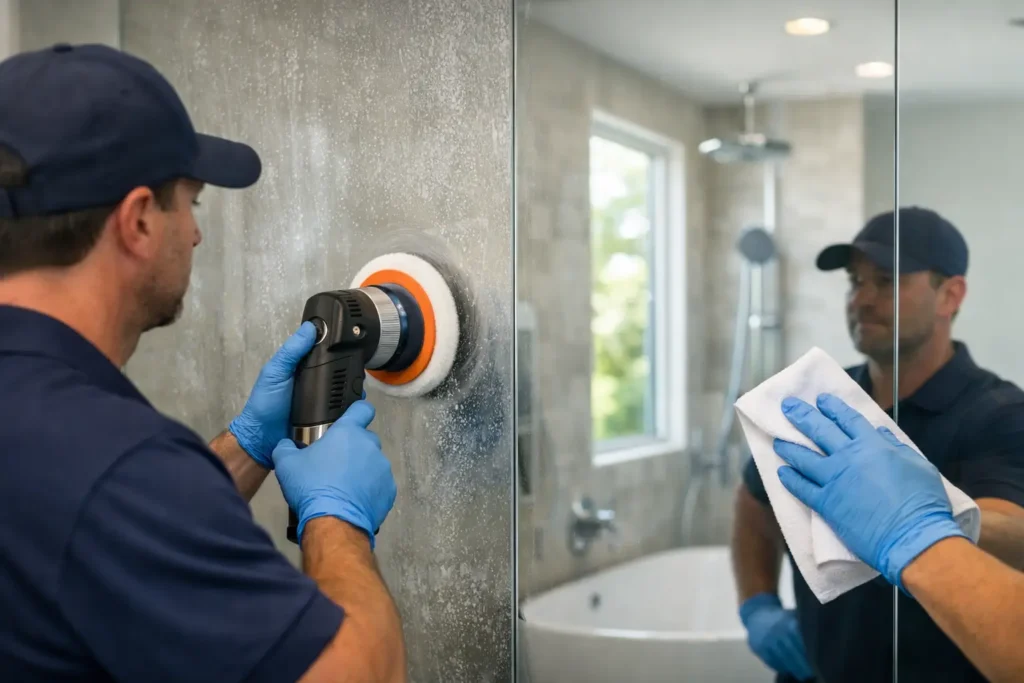
The work typically involves a detailed inspection, controlled removal of mineral deposits and surface contamination, restoration where the glass can respond, and certified field application of Diamon-Fusion. Each stage affects the next. A coating should not be applied over untreated residue, active corrosion, or unresolved damage. Surface preparation is where experienced glass craftsmanship makes the difference between a cosmetic attempt and a serviceable long-term result.
Where Diamon-Fusion Restoration Delivers the Greatest Value
Shower enclosures are among the strongest candidates. Frameless systems use large, uninterrupted panes that reveal every water spot in direct light. Restoring the glass and adding protection can preserve the clean lines of a custom bathroom without removing carefully fitted panels, hinges, handles, or adjacent stonework.
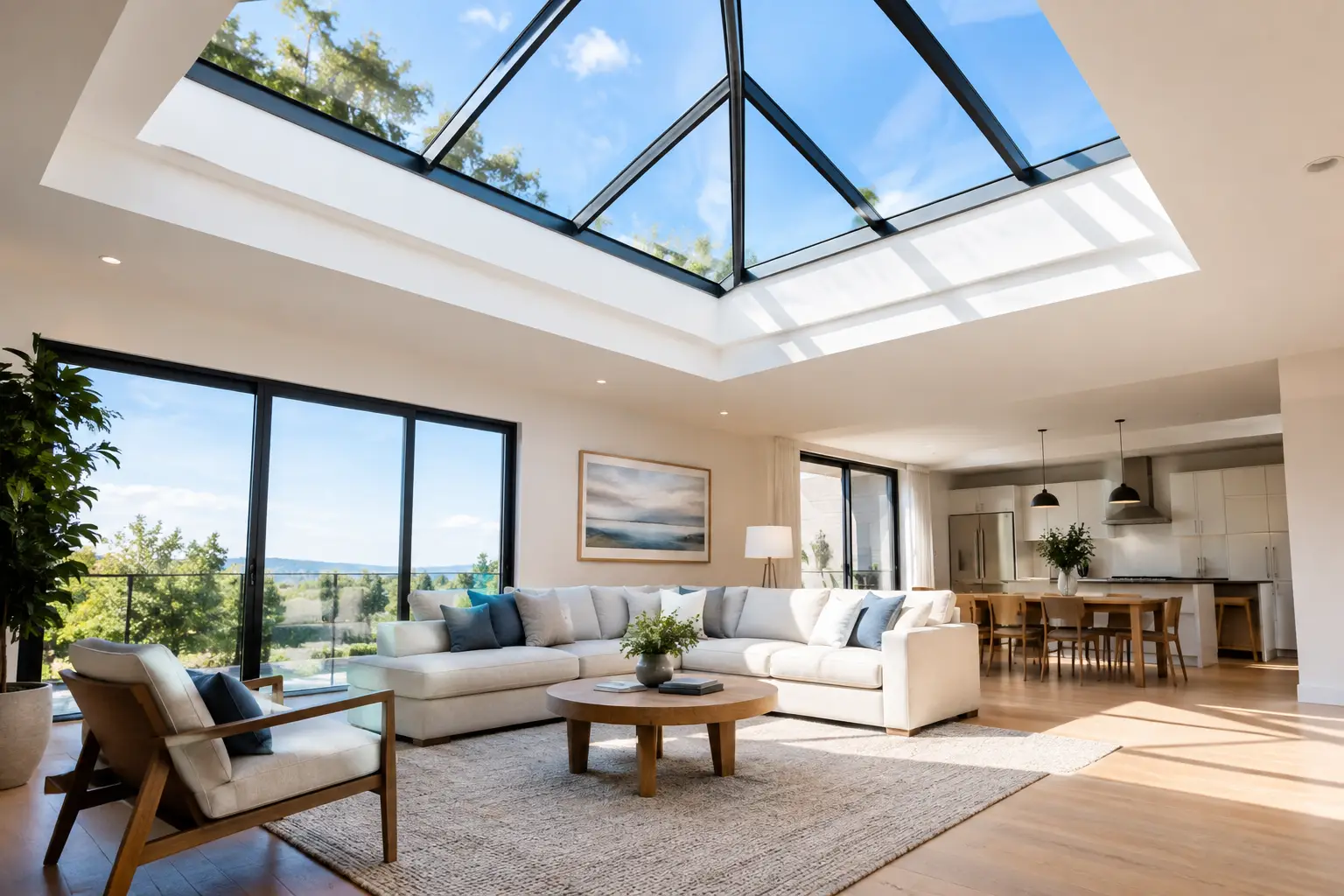
Exterior architectural glass also benefits, though the expected outcome depends on exposure and existing condition. Glass railings near the coast, pool fencing subject to sprinkler overspray, clerestory windows, skylights, and view-facing glazing encounter weather conditions that interior glass does not. The protective treatment helps reduce the effort required to manage recurring deposits, but it does not eliminate the need for appropriate maintenance.
Solar panels are another practical application. Surface contamination can affect appearance and may interfere with performance when buildup is significant. Restoration may be preferable to replacement when the panels are intact but affected by hard-water staining, mineral deposits, or environmental exposure. A qualified evaluation should account for the panel manufacturer, surface condition, access requirements, and any warranty considerations.
For luxury homes and hospitality properties, the value is not limited to a single pane of glass. Clear, well-maintained glazing supports the entire visual experience of a room, terrace, pool environment, or guest suite. It protects the investment already made in custom fabrication, premium hardware, stone, lighting, and views.
Restoration Versus Replacement: A Better Decision Framework
Replacement is the right answer when glass has sustained damage that cannot be safely or aesthetically corrected. A cracked panel, compromised tempered glass, failed insulated unit, distorted laminate, or severe deep scratching should not be treated as a restoration project simply to avoid cost. Safety, code requirements, and visual standards remain first.
Yet replacement can involve far more than the cost of a new piece of glass. Custom shower doors may need field measurements, fabrication lead time, hardware removal, reinstallation, and coordination around finished surfaces. Oversized exterior panels can require specialty access, lift equipment, permits, engineering review, or interruption to occupied spaces. For commercial and hotel properties, the operational impact can be as significant as the material cost.
A Diamon-Fusion glass restoration service can be a compelling alternative when the glass is fundamentally sound. It can reduce replacement expense, preserve existing custom work, and shorten disruption. The decision should be made panel by panel, not through a blanket assumption that all cloudy glass is beyond saving or that every mark can be polished away.
The Coastal California Maintenance Reality
A protective coating is not a license to ignore glass. It changes how easily the surface releases water and contaminants, but it cannot stop hard water from drying on a panel or prevent salt spray from reaching an exposed railing. Maintenance still matters, particularly in Laguna Beach, Dana Point, Newport Beach, San Clemente, and other coastal communities where exposure levels vary dramatically by microclimate.
For shower glass, a daily squeegee and a nonabrasive cleaner are simple habits that protect the restored finish. On exterior glazing, regular rinsing with clean water can reduce the time minerals and salt remain on the surface. Avoid razor blades, scouring pads, and cleaners that leave heavy residues. Hardware, seals, and drainage details should be inspected as part of the broader glazing maintenance plan.
The best maintenance schedule depends on the installation. A protected primary shower enclosure used daily needs different attention than a glass guardrail at a second home facing prevailing ocean winds. Property managers should also consider irrigation patterns, landscaping runoff, access constraints, and the cleaning methods used by vendors.
Why Certified Application Matters
Diamon-Fusion field application is a specialized process, not a bottle of consumer glass treatment applied after a quick cleaning. The condition of the glass must be evaluated honestly, restoration must be performed carefully, and the coating must be applied according to certified procedures. This is particularly relevant on premium installations, where uneven results or accidental damage to adjacent finishes can create a larger problem than the staining itself.
Capistrano Valley Glass & Mirror brings more than 45 years of specialty glazing experience to this work, including certified Diamon-Fusion application. That background matters when restoration involves custom shower enclosures, complex exterior glass, luxury finishes, or occupied commercial spaces. The objective is to preserve the architectural intent of the installation while giving the glass a more durable future.
Before scheduling replacement for glass that has lost its clarity, have the surface evaluated on its actual condition. The right restoration plan can protect a view, renew a finished space, and keep an otherwise excellent glass system in service for years to come.