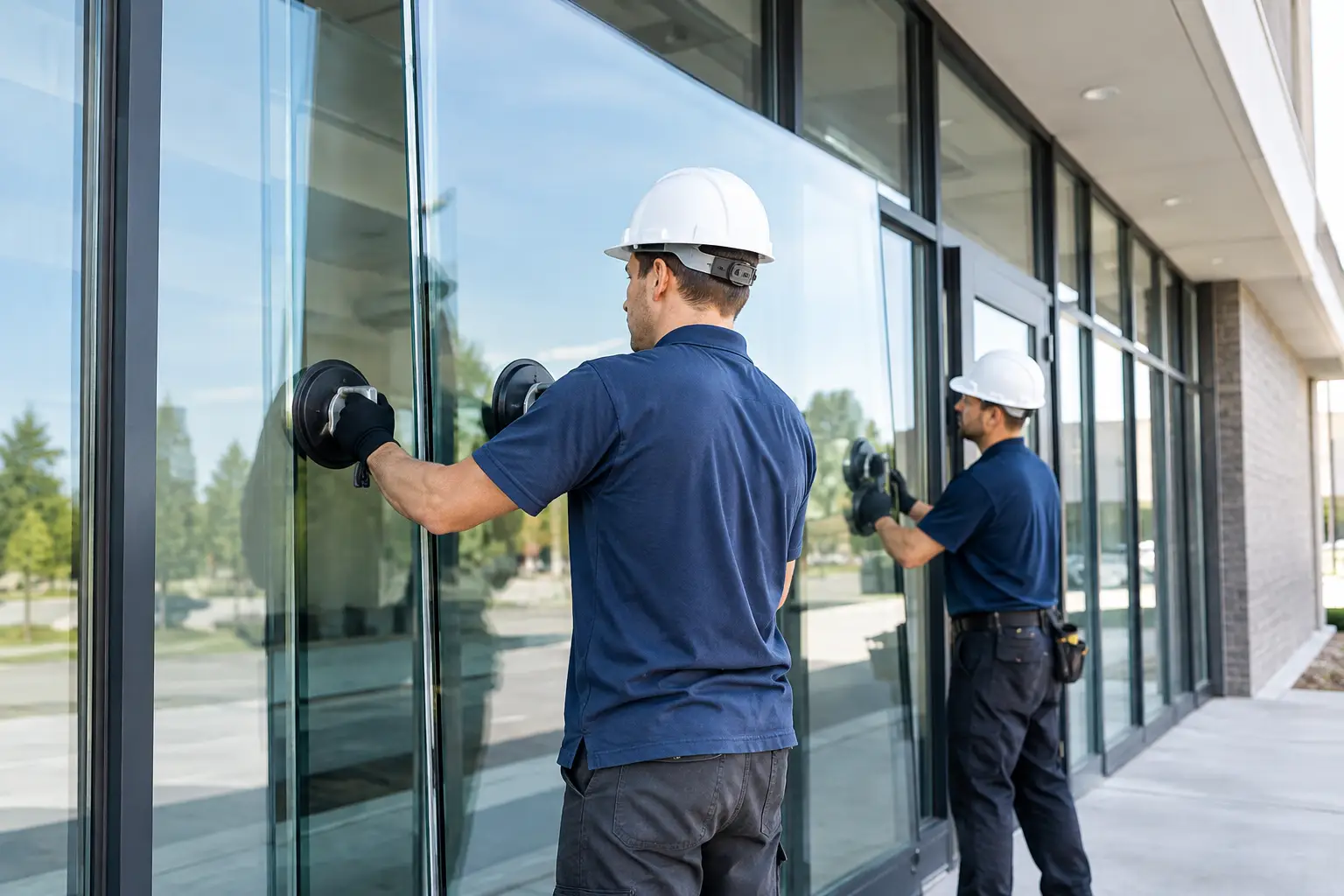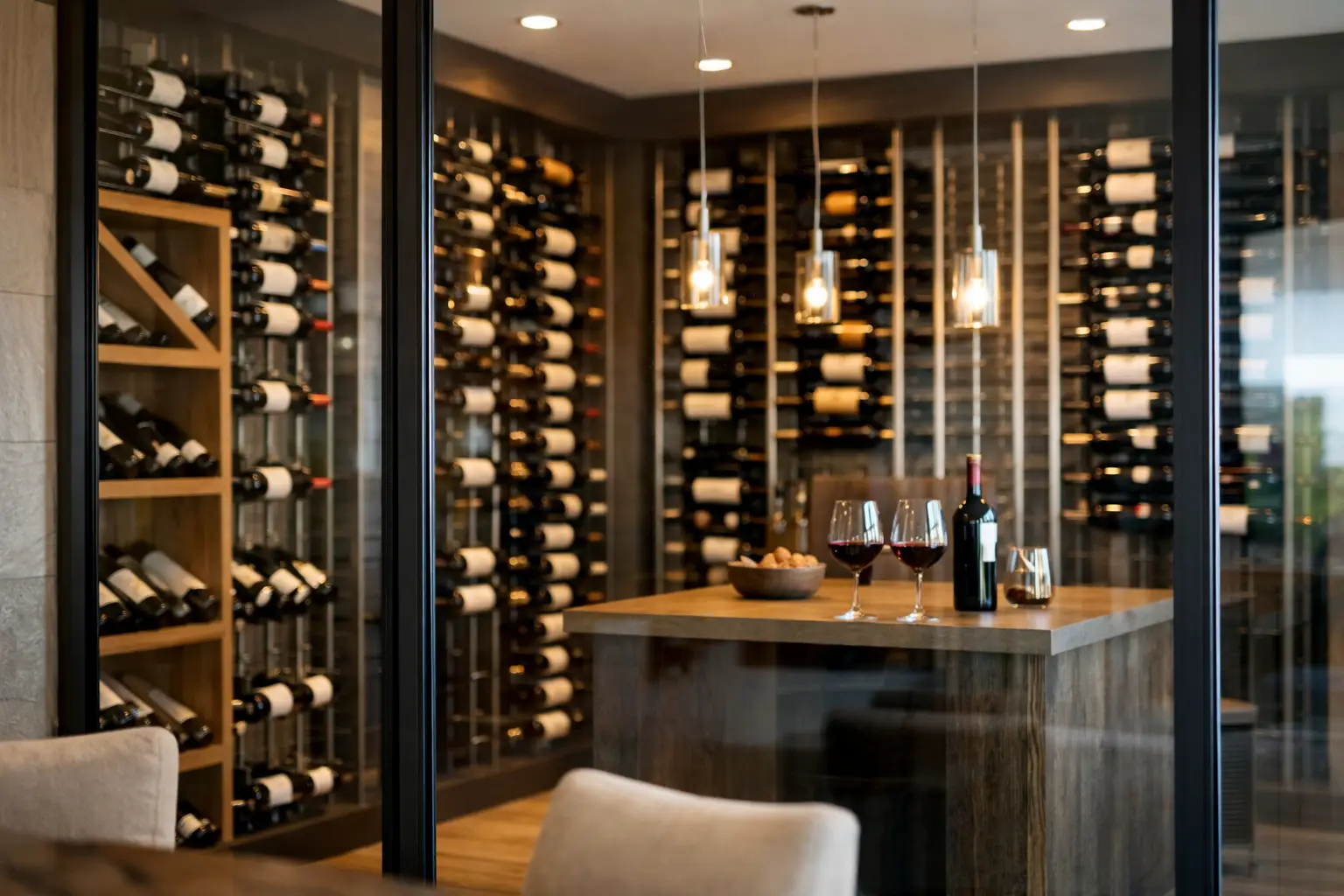
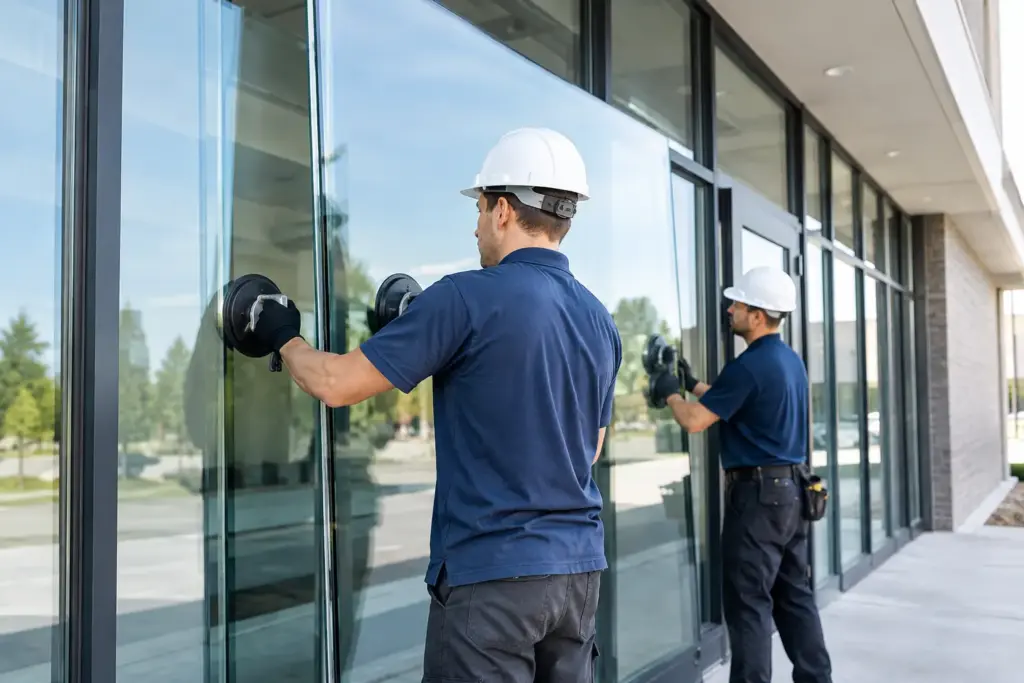
A cracked entry lite, shattered sidelight, or fogged insulated panel can change the character of a commercial property overnight. Commercial storefront glass replacement is not simply a matter of putting new glass in an opening. It is a decision about public safety, building performance, tenant operations, visual continuity, and the long-term condition of the storefront system itself.
For a boutique retail space in Laguna Beach, a hospitality property in Dana Point, or a refined professional office in Newport Beach, the glass at the front of the building is part of the brand experience. It should feel intentional, properly proportioned, and quietly dependable. When it fails, the replacement work must do more than close the opening. It must restore the architecture.
When Commercial Storefront Glass Replacement Is Necessary
Breakage is the obvious reason to replace storefront glass, whether caused by impact, attempted entry, storm debris, vandalism, or construction activity. Yet many replacements begin with less dramatic warning signs: persistent condensation inside an insulated unit, discoloration around panel edges, visible scratches that disrupt views, water intrusion, loose glazing, or doors that no longer operate cleanly within their frame.
A failed insulated glass unit is especially common in older storefronts. When the perimeter seal loses integrity, moisture enters the space between panes. The result may be haze, streaking, or mineral residue that cannot be cleaned from either side. In a reception area, restaurant frontage, or luxury retail environment, that clouded appearance can diminish an otherwise carefully maintained property.
Not every damaged surface requires replacement. Surface corrosion, hard-water staining, and certain forms of etching may be candidates for professional restoration and protective treatment. Capistrano Valley Glass & Mirror uses certified Diamon-Fusion® field application technology to address qualifying glass surfaces, which can preserve usable glazing and avoid unnecessary replacement costs. The determining question is whether the issue is confined to the surface or whether the glass, seal, edge condition, or structural glazing system has been compromised.
The First Priority Is Securing the Opening
After breakage, speed matters. A damaged storefront can expose occupants and inventory, interrupt business operations, and leave the property vulnerable to weather or unauthorized access. Temporary board-up or protective measures may be appropriate while the replacement glass is fabricated, particularly when the opening requires a nonstandard size, specialty tint, insulated assembly, or tempered safety glass.
That temporary measure should not become the final plan. A storefront is a coordinated assembly of glass, aluminum framing, glazing gaskets, setting blocks, sealants, doors, and hardware. If the impact that broke the glass also distorted a frame or compromised adjacent components, inserting a new panel without addressing those conditions can produce stress points, leaks, premature sealant failure, or poor alignment.
An experienced glazing contractor evaluates the full opening before ordering material. That includes measuring the actual sightline and glass pocket, checking the frame for movement, identifying the existing glazing method, and determining whether surrounding panels or door systems have been affected. These details are where routine glass work and architectural glazing begin to diverge.
Matching the Existing Storefront System
The most successful commercial storefront glass replacement is often the one no visitor notices. The replacement should align with the original design in thickness, color, reflectivity, clarity, edge treatment, and visual relationship to adjacent panels.
This can be more complex than it appears. Clear glass is not always visually identical to clear glass. A new panel may look noticeably different beside weathered glazing if the original system used a low-iron substrate, a gray or bronze tint, a reflective coating, or a particular insulated glass construction. Even small differences in thickness can alter how the glass sits in the frame and how it reflects daylight.
For high-visibility properties, it is worth identifying the existing glass whenever possible. A glazier may review markings within the insulated unit, manufacturer information, prior project records, and the appearance of neighboring panels. If an exact match is unavailable, the right approach is to explain the available options plainly rather than install the closest material without discussion.
Replacement decisions also depend on the role of the opening. A street-facing storefront may prioritize visibility and security. A west-facing restaurant elevation may require better solar control. A lobby wall may need low-iron glass for a cleaner presentation of interior finishes. An oceanfront property may need glazing and perimeter materials selected with coastal exposure in mind.
Safety Glass, Energy Performance, and Code Considerations
Storefront glass must be selected for its location, not merely its dimensions. Glass adjacent to doors, near walking surfaces, or in other hazardous locations often requires safety glazing. Tempered glass is designed to break into comparatively small pieces, while laminated glass holds together with an interlayer after breakage. Each has a place, and the correct choice depends on the system, location, security requirements, and applicable code.
Laminated glazing can be especially valuable where retained glass after impact is a priority. It may help maintain a barrier while replacement is arranged, though it is not a substitute for a complete assessment of the storefront framing and attachment system. Tempered glass may be appropriate for many conventional storefront applications, but it cannot be cut or altered after tempering. Accurate field measurement and fabrication coordination are therefore essential.
Energy performance is another consideration that deserves more than a passing look. Replacing a failed insulated panel offers an opportunity to assess whether the existing glass is contributing to heat gain, glare, or uncomfortable conditions near the facade. In some cases, a higher-performing insulated unit or a carefully selected coating can improve comfort and reduce solar load. In others, consistency with a landmark facade or an existing multi-panel elevation may be the stronger priority.
There is no universal best glass specification. The right selection balances code, visual continuity, climate exposure, orientation, security, maintenance expectations, and the property owner’s operating goals.
Why Precise Field Work Matters
Storefront openings are rarely as simple as their drawings suggest. Buildings settle. Previous repairs can alter glass pockets. Aluminum may have been refinished, caulking may have been applied over older material, and adjacent systems may conceal drainage paths that need to remain clear.
A proper installation starts with careful verification in the field, followed by fabrication that respects the actual opening rather than an assumed dimension. During installation, the glass must be supported correctly, centered within the frame, and sealed with compatible materials. The glazing system needs to shed water as intended, rather than trapping it against edges, gaskets, or metal components.
This is particularly relevant for coastal Southern California properties. Salt air, intense sun, wind-driven moisture, and frequent cleaning can accelerate wear in sealants, metal finishes, and glass surfaces. The replacement should account for the environment rather than treating a beachside storefront as though it were an inland office facade.
Planning Replacement Around Business Operations
For active commercial properties, the installation plan matters almost as much as the glass specification. Retailers may need work completed before opening hours. Restaurants and hotels may require controlled access, dust management, quiet periods, and coordination with security or facilities teams. A tenant improvement project may need replacement glazing sequenced around flooring, millwork, signage, and final inspections.
Clear communication prevents avoidable disruption. Before work begins, the property team should understand whether temporary protection is needed, how long fabrication may take, whether doors will be affected, and what access is required for material handling. Large or heavy panels may require additional personnel, specialized equipment, or carefully timed delivery windows.
For architects, builders, and owners managing premium projects, the value is not merely rapid installation. It is the confidence that the glazing partner recognizes the storefront as part of a larger architectural system and can coordinate accordingly.
A Storefront Should Look as Though Nothing Happened
The best replacement work restores more than a pane of glass. It restores the clean sightlines of the facade, the comfort of the interior, the security of the entry, and the standard the property communicates before anyone steps inside.
When glass damage occurs, the practical choice is to secure the opening quickly, assess the entire system carefully, and specify the replacement with the same attention given to the original architecture. That approach protects the building today while preserving the details that make the property worth maintaining.