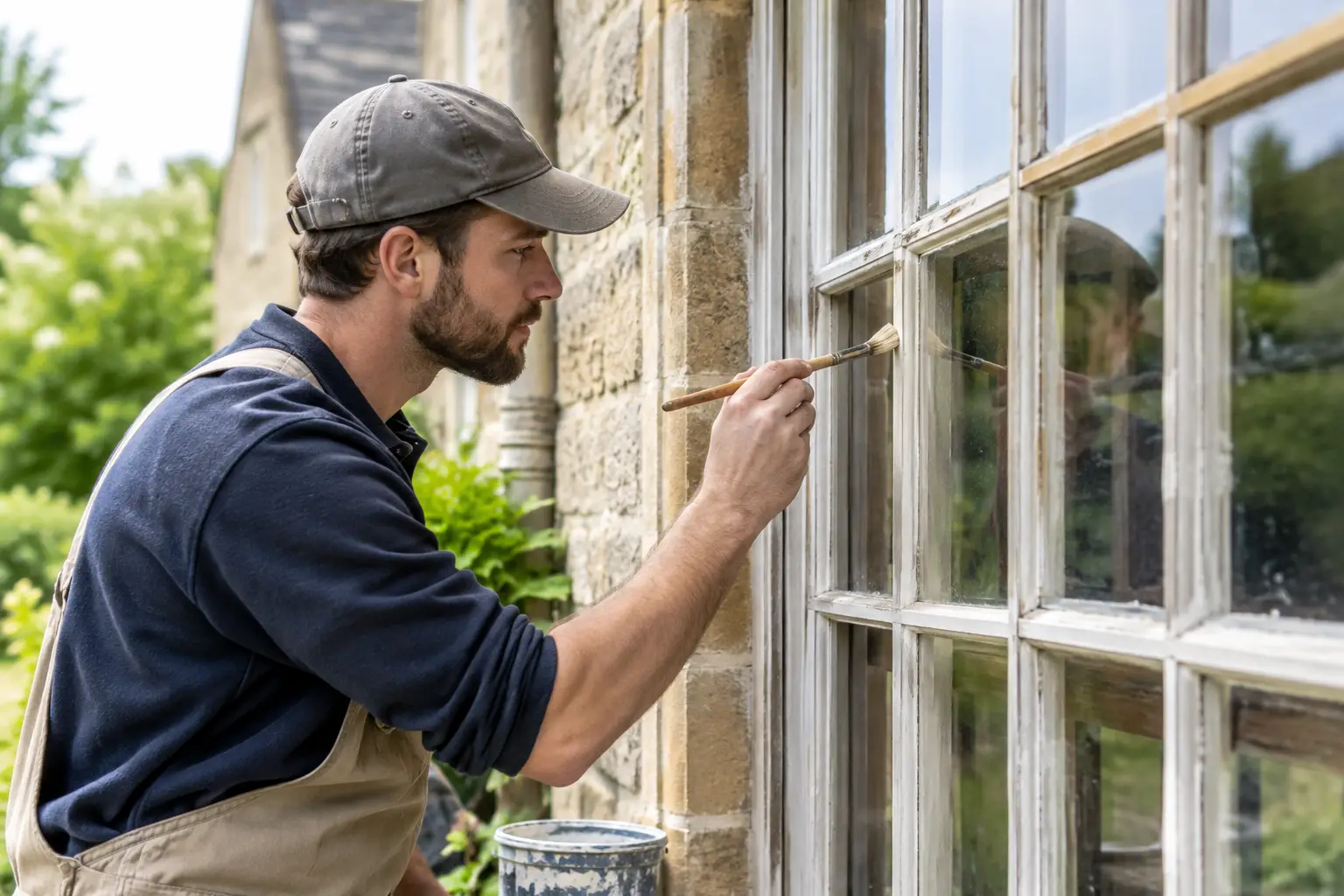
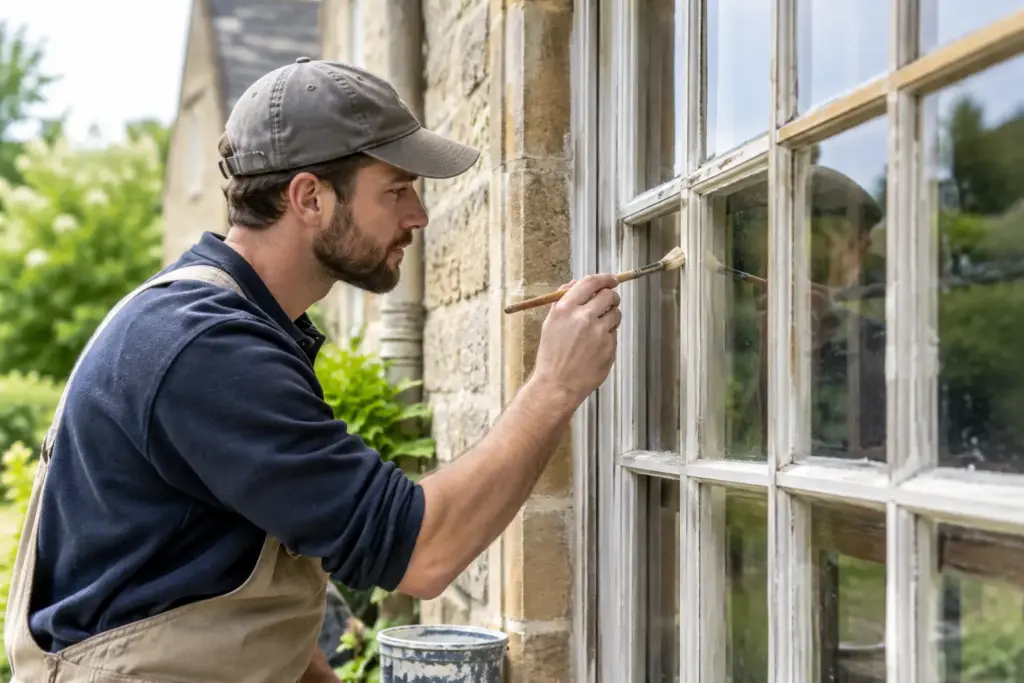
A historic window rarely fails all at once. More often, the change is gradual: mineral haze mutes an ocean view, failed perimeter sealant admits moisture, paint bridges shut an operable sash, or a cracked pane interrupts the quiet irregularity of original glass. Historic window restoration addresses those conditions without casually discarding the materials that give an older residence, hotel, or commercial building its architectural authority.
For distinguished properties in coastal Southern California, the objective is not to make every opening look newly manufactured. It is to preserve the proportions, profiles, reflections, and sightlines that belong to the building while correcting deterioration with technically appropriate work. That requires judgment. A window can be historically significant and still need substantial repair. It can also be old without being worth preserving in every component.
What Historic Window Restoration Actually Preserves
A historic window is an assembly, not simply a pane of glass. Its value may reside in hand-formed or early machine-drawn glass, a narrow wood muntin, steel sash, lead came, original hardware, or the relationship between the window and its surrounding wall. Replacing the entire unit can alter that relationship even when the replacement is marketed as a faithful replica.
Original glass is often the first element people notice only after it is gone. Antique panes may carry slight waves, seeds, or subtle distortion that changes reflected light throughout the day. Those qualities are not defects to be corrected automatically. In a period home, they are part of the finish.
The framing deserves equal attention. Wood sash can often be repaired with localized Dutchman repairs, consolidants, new glazing compound, and selective weatherstripping. Steel windows may require corrosion removal, welded repairs, reglazing, and careful repainting. Leaded and decorative glass demands its own discipline, including came repair, releading where necessary, and support for panels that have begun to bow.
A sound restoration begins by identifying which parts are original, which are later modifications, and which conditions are actively causing damage. A fogged insulated unit from a 1990s addition calls for a different decision than a hand-glazed casement from the 1920s.
The Case for Repair Before Replacement
Replacement is sometimes necessary, particularly when frames are structurally unsound, glass is extensively fractured, or prior alterations have left little authentic material to retain. Yet replacement should follow a documented assessment, not precede it.
Restoring an existing window can retain dimensions that modern products struggle to duplicate: very slim muntins, deeply recessed glazing, curved profiles, unusual divided-light patterns, and custom opening geometry. It can also avoid the disruption of removing surrounding plaster, stone, tile, stucco, or interior millwork. On a finished estate or hospitality property, that collateral work can become more expensive than the glass itself.
Performance is another area where assumptions deserve scrutiny. Original single-pane windows will not perform like a new high-performance insulated unit, but restoration can still produce meaningful improvements. Correctly fitted sash, renewed glazing, weatherstripping, interior or exterior storm systems, and repaired hardware can reduce drafts and water intrusion while keeping the original assembly in place.
The right answer depends on the project. A street-facing elevation subject to preservation review may favor maximum retention. A secondary service area with severely deteriorated windows may justify custom replacements that match the historic profile. For homes near the coast, the condition of exposed metal, sealants, and glass surfaces also matters as much as thermal performance.
A Proper Assessment Comes Before the Scope
Before work begins, each opening should be evaluated individually. Treating every window alike is efficient only when every window has the same history, exposure, and construction. Historic properties rarely do.
The assessment should examine the glass for cracks, deep scratches, failed coatings, staining, etching, and edge damage. It should identify whether cloudiness sits on the surface, within an insulated unit, or behind a storm panel. The frame review should document rot, corrosion, failed glazing putty, missing hardware, operational problems, and evidence of water traveling into adjacent finishes.
For a large residence, hotel, or commercial facade, a window schedule is valuable. It records dimensions, glazing type, condition, priority, and recommended treatment for each opening. This helps owners compare the cost of stabilization, restoration, selective replacement, and full replication with far greater clarity.
It also prevents a common mistake: approving a broad replacement package because a few highly visible windows are in poor condition. The most deteriorated openings may need replication, while the majority can be conserved.
Glass Conditions That Can Often Be Addressed In Place
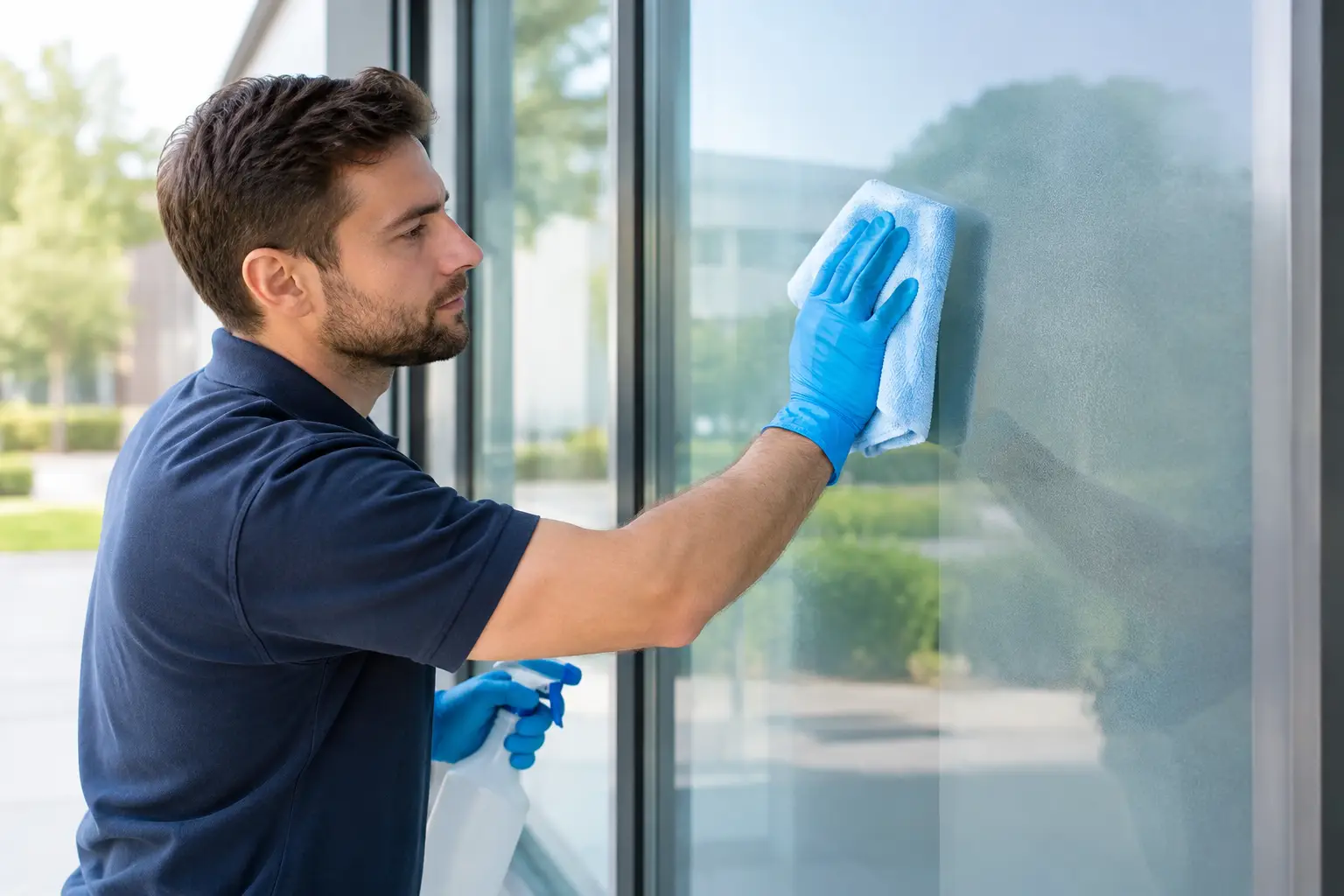
Surface contamination is not the same as permanent damage. Hard-water deposits, mineral buildup, soap residue, and light corrosion staining can obscure glass that remains fundamentally serviceable. In coastal settings, airborne salt and irrigation overspray often accelerate the problem on exterior glazing, pool fencing, skylights, and shower enclosures.
Professional restoration starts with determining whether the mark is removable contamination, surface etching, or a defect within the glass. Aggressive abrasives can permanently alter historic glass, especially thin panes with an already distinctive surface. The goal is controlled restoration, not simply making a pane look clearer for a day.
Where appropriate, a certified Diamon-Fusion® field application can restore and protect suitable glass surfaces. The treatment is designed to create a durable protective barrier that helps resist staining and makes ongoing cleaning easier. It can offer a practical alternative to replacement when surface damage is the issue. However, it is not a cure for cracked glass, failed insulated units, severe deep etching, or historic panes whose condition and significance call for a more conservative treatment approach. A test area and material-specific review should guide the decision.
Historic Window Restoration Requires Compatible Materials
The materials used in a repair should work with the original assembly rather than trap moisture or create new points of failure. This principle affects everything from glazing compounds and setting blocks to sealants, paint systems, and replacement glass thickness.
For example, a rigid modern sealant may be inappropriate where a traditional glazing compound is needed to accommodate movement and preserve the original visual line. Similarly, installing glass that is too thick can alter muntin proportions or prevent historic sash from operating correctly. In some situations, salvaged or specialty restoration glass may be the better visual match, even if a perfectly uniform new pane would be easier to source.
Coastal exposure adds another layer of detail. Hardware, fasteners, and framing metals should be selected with corrosion resistance in mind. Drainage paths need to remain clear. Sealant transitions must be executed cleanly so water is directed away from vulnerable wood, plaster, and wall assemblies. These details are modest on paper and decisive in service.
Balancing Preservation, Code, and Daily Use
Owners should not have to choose between a respected historic appearance and a window that functions. The best projects define where preservation must be exact and where carefully integrated upgrades are reasonable.
Safety glazing may be required near doors, stairs, wet locations, or other hazardous areas. Egress requirements may affect bedroom windows. In certain cases, tempered or laminated glass can be introduced where code and risk justify it, provided the change does not unnecessarily compromise the appearance of the opening. Historic district requirements, local approvals, and project-specific architectural standards should be addressed before fabrication or demolition begins.
For luxury residences, the practical question is often how the windows support daily life. Can the sash open without force? Does the view remain clear? Is the original glass protected from repeated hard-water exposure? Will restored hardware operate with the same quiet precision as the rest of the home? Those are performance standards, not cosmetic extras.
Choosing a Specialist for Historic Glasswork
Historic window restoration crosses several trades: architectural glazing, wood or metal repair, waterproofing, finish work, and sometimes preservation compliance. The strongest teams respect those boundaries and coordinate them rather than oversimplifying the scope.
Ask how the contractor distinguishes surface restoration from replacement, how original glass will be protected during adjacent work, and how they document conditions before removing anything. Request clarity on mockups, sample panes, glass selection, sealant compatibility, and the sequence of repair. For prominent elevations or unusual glazing, a small approved test section can prevent costly decisions from being made at full scale.
Since 1979, Capistrano Valley Glass & Mirror has approached specialty glazing as architectural work, where material behavior and finish quality matter as much as installation. That perspective is especially valuable when a historic window must remain true to its setting while meeting the expectations of a carefully maintained property.
A restored window should not announce the work that was done to it. It should look settled in its original opening, operate as intended, and allow the architecture, the light, and the view to take their proper place.